
CMPA Guidelines: Helping Identify a Worker’s Exposure to RCSD
The Respirable Crystalline Silica Dust (RCSD) Management Guideline together with the CMPA’s Work Safely Reference Manual aims to support Members in meeting the requirements of the Victorian Occupational Health and Safety Act 2004 and Occupational Health and Safety Regulations 2017.
It also covers the following:
- Appropriate management practices required to minimise potential health risks associated with RCSD arising from extractive industry and concrete recycling operations;
- A template that can be populated to help establish a site specific RCSD Control Plan; and
- Assistance in establishing and maintaining a Work Plan that defines operational activity to obtain and sustain an Extractive Industry Work Authority
Respirable Crystalline Silica Dust (RCSD)
Crystalline silica is the scientific name for a group of minerals composed of silicon and oxygen i.e. Silicon dioxide (SiO2). There are many types of crystalline silica, but they are generally, Quartz, Cristobalite, Tridymite and Tripoli.
Quartz being the most common form is one of the most abundant minerals in the earth’s crust.
There are crystalline and non-crystalline forms of silicon dioxide. The non-crystalline form of silica (amorphous) that is widely used in electronics does not cause lung damage.
A Crystalline Silica Substance means any substance that:
- Contains more than 1% crystalline silica; and
- Is reasonably likely to be mechanically processed at a workplace; and
- Is not in a respirable form;
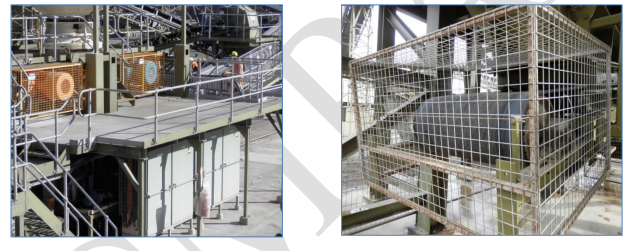
High standard of housekeeping can reduce levels of RCSD carriage
Crystalline Silica as quartz when crushed, ground, drilled or cut generates dust particles that are small enough to penetrate deep into the lungs.
These particles are deemed respirable e.g. RCSD and can cause lung damage. They are often referred to as invisible dusts because they are too small to be seen with the naked eye and are classified as a Hazardous Substance by Safe Work Australia.
Control Process
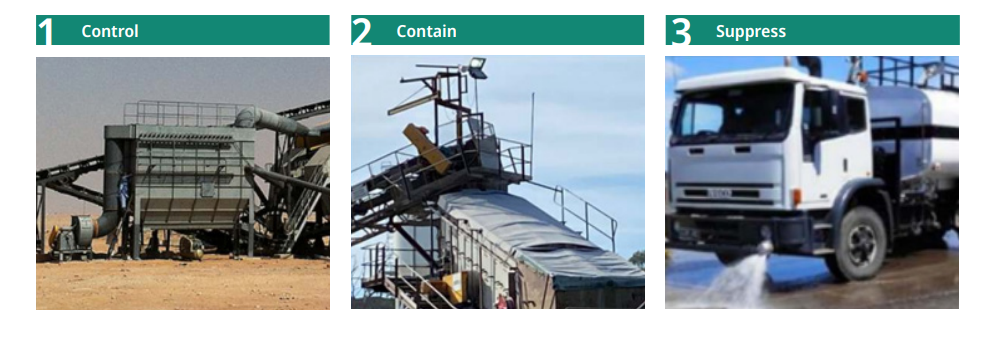
There are three steps in the silica control process.
In addition to RCSD Management Guideline, we also have a range of other guidelines and templates available on our website www.cmpa.com.au
- Blast Management Template
- Bushfire Response and Readiness Template
- Critical Incidents Response Guideline
- Guarding Guideline
- Noise Management Guideline
- Noxious Weeds and Pest Animals Control Plan RCSD Management Guideline
- Slimes Management Guideline (currently being updated)
- Traffic Management Guideline (currently being updated)
- Verification of Competency Assessments
- Verification of Competency Guideline
All the guidelines are available on the CMPA website