
The $1 Million Question – When Should a Quarry Replace its Equipment?
For most quarry operators, replacing a major piece of equipment is not a decision taken lightly.
Whether it’s a loader, excavator, crusher or screening plant, the purchase price can run into hundreds of thousands or even millions of dollars. And when margins are under pressure, the instinctive response can be to keep the existing machine working for another year, another 1,000 hours or “until it becomes uneconomical to repair”.
But how do you know when that point has actually arrived?
The answer may have less to do with the age of the machine and more to do with what it is costing the business to keep it. The economics of quarrying are changing. Fuel, labour, maintenance and equipment costs remain significant pressures, while imported machinery and equipment prices are also facing upward cost pressure. At the same time, productivity and operational resilience have become increasingly important considerations for resource businesses.
This all makes the traditional calculation of “repair versus replace” increasingly inadequate.
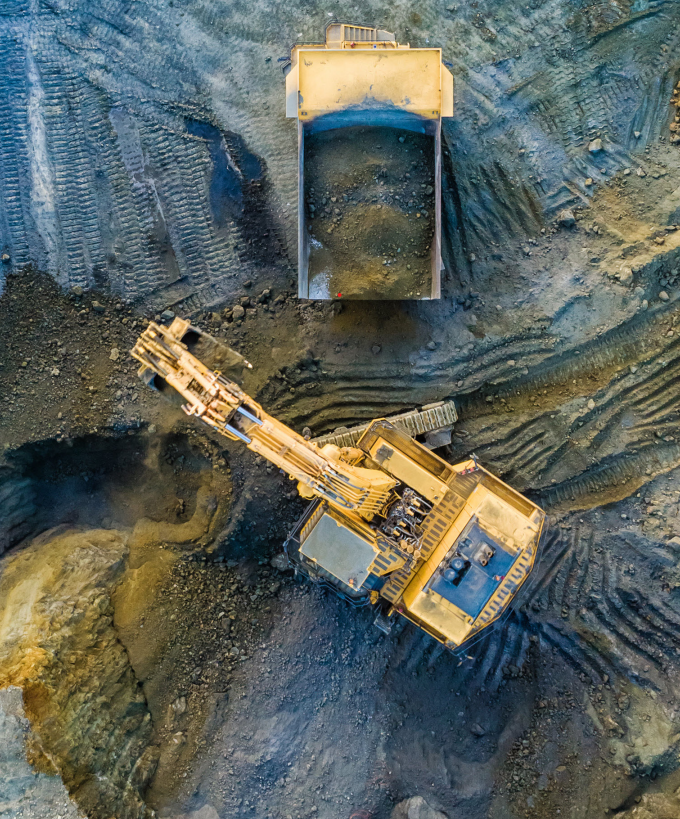
What will it cost to keep a machine?
Consider a five-year-old loader. Its finance may be nearly paid out, but if it is experiencing increasingly frequent breakdowns, consuming more fuel and spending more time in the workshop, its apparent low cost can be misleading.
The real question is not simply: What will it cost to keep this machine? but rather What is the business losing while the machine isn’t working?
Lost production, additional labour, contractor costs, delayed deliveries and the knock-on effect on other parts of the operation can quickly turn an apparently cheap machine into an expensive one.
Conversely, buying new isn’t automatically the answer either.
A newer machine may offer improved fuel efficiency, greater productivity, better operator technology andlower maintenance requirements, but those benefits need to be measured against the capital committed to the replacement.
This is where a proper total-cost-of-ownership calculation becomes valuable.
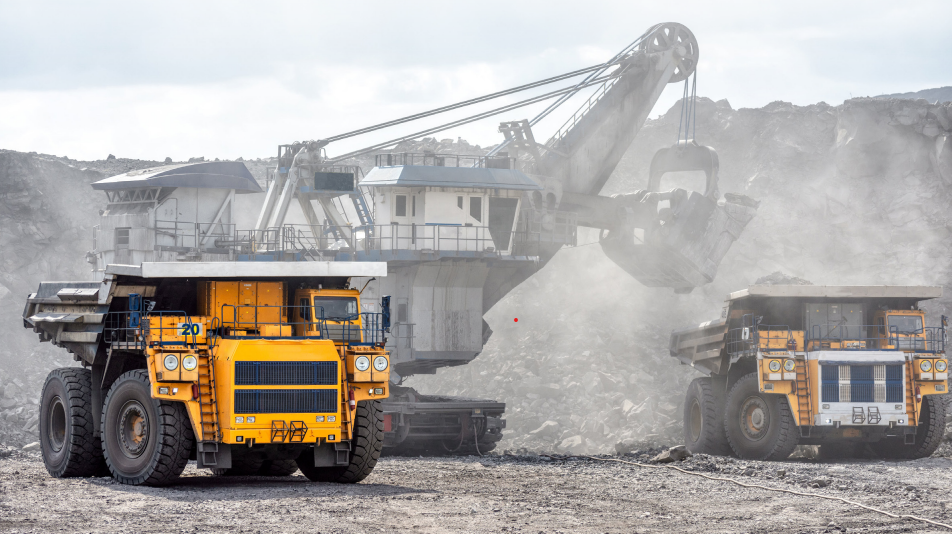
Economics of quarrying are changing
Operators should consider the purchase price alongside other key cost inputs; expected operating hours, fuel consumption, maintenance history, downtime, residual value, productivity and the expected working life of the asset.
Operators should consider the purchase price alongside other key cost inputs; expected operating hours, fuel consumption, maintenance history, downtime, residual value, productivity and the expected working life of the asset.
There is also another question that deserves more attention: Does the quarry actually need the latest machine?
A late-model used machine with a good maintenance history may provide much of the productivity of a new machine at a substantially lower capital cost. For some operators, rebuilding an existing asset may also make economic sense. For others, replacing an unreliable machine before it becomes a major problem could be the smarter decision.
The answer will be different for every quarry. What is becoming increasingly clear, however, is that equipment decisions are no longer simply purchasing decisions. They are decisions about productivity, cash flow, reliability and the ability of the business to meet its customers’ requirements.
he cheapest machine to own isn’t necessarily the one with the lowest purchase price.
Sometimes the most expensive machine in the yard is the one that isn’t working. If it’s time to run the real numbers on repair verses replacement, contact Finlease.
More information
Miles Beamish
Senior Equipment Finance Specialist
0410 774 506
[email protected]
Finlease has been a CMPA Member for over 10 years. We thank them for their support and representing the interests of small to medium businesses in the quarry industry.